The Best Electric Van Leasing Deals

What “short term electric van leasing” means with Drive Subscribe
Think of it as the sensible middle ground between hiring and a multi-year lease.
You can take an electric van for as little as 1 month, or run it over 3, 6, 9 or 12 months. You keep the flexibility to scale up, switch vehicles, or step away when the job changes.
And because you’re not buying, you avoid the depreciation hit that comes with fast-moving EV technology — which on electric vans has been steeper and less predictable than on diesel.
The business case, without the long commitment
- Predictable costs: fixed monthly payments you can budget against.
- No large upfront spend: cash stays in the business for tools, stock, staff or marketing.
- New vehicle confidence: vehicles covered by a manufacturer’s warranty.
- Road tax and breakdown cover included for the duration of the agreement.
- Maintenance included: servicing and upkeep sit inside the monthly payment, not as an add-on, which keeps the van on the road and the invoice to one line.
- Free delivery across mainland Britain (Highlands aside) to your home or work address, ready to go.
The Clean Air Zone arithmetic
This is where electric vans earn their keep, and it’s worth doing the sum properly.
Vans are charged in Clean Air Zones where cars often aren’t. In Sheffield’s zone, a non-compliant van pays a daily charge while private cars pay nothing. Birmingham charges non-compliant vehicles daily inside the ring road. In London, a van that doesn’t meet ULEZ standards pays £12.50 a day, every day.
An electric van pays none of it. Working five days a week in a charged zone, that difference alone runs to several hundred pounds a year — before you get to fuel. If your routes take you into any of these zones regularly, the comparison against a diesel van looks quite different from the headline monthly figure.
Electric van leasing deals: what to look for
When comparing options, don’t just chase the lowest monthly. The best value comes from matching the van to:
- your daily mileage
- payload and load volume requirements
- where you’ll be working — urban, motorway or mixed routes
- how long you realistically need it for: project-based, seasonal, or a trial
That’s how we build quotes: tailored to the job rather than pushed into a standard term.
One thing worth being honest about — charging is the deciding factor. An electric van makes clear financial sense if you can charge at a depot or at home overnight. If you’d be relying on public rapid chargers between jobs, the running-cost advantage narrows considerably and the practicalities get harder. Work that through on your real routes before you commit — our guide to going electric covers where the savings actually sit.
Electric van subscription vs electric van leasing
Conventional electric van leasing
- Usually 12 to 48 months
- Often involves an initial payment
- Less flexible if your workload changes mid-contract
Drive Subscribe short-term subscription
- 1 to 18 months
- Low fixed monthly payments, no large initial outlay
- Swap or stop when requirements change
- Road tax and breakdown cover included, maintenance included
- Free mainland Britain delivery to home or work
If you’re testing EV suitability, covering a contract, or bridging a gap in the fleet, subscription is usually the cleaner option. Our guide to electric van subscriptions goes into the running costs in more detail.
When short-term is the obvious choice
Terms of 1 to 18 months suit:
- seasonal demand — peak delivery periods, summer events, winter callouts
- new contracts where you don’t want to over-commit
- EV trials before electrifying the whole fleet
- temporary replacement while a vehicle is off the road
If you’d rather stay with a conventional van for now, the same flexibility applies — see our 12-month van lease deals or 3-month van leases for shorter projects.
Common questions about electric vans
Are electric vans strong enough for proper work?
Yes. Electric drivetrains deliver instant torque, which is genuinely useful on stop-start routes and loaded runs. Pulling away with a full load is easier than in an equivalent diesel.
What about payload?
Battery weight does eat into payload on some models, so check the figure against what you actually carry rather than assuming it matches the diesel equivalent. We’ll match the van to your load requirements when we quote.
What about reliability?
Vehicles are covered by a manufacturer’s warranty where applicable, and maintenance is part of the monthly cost rather than something you choose to bolt on. Fewer moving parts than a diesel also means fewer things to go wrong.
Is it a headache to change vehicles?
Not with the right provider. Terms run from 1 to 18 months, and you can switch at the end of a period rather than being locked in.
What’s the range like in real use?
Less than the official figure, particularly when loaded and in cold weather. Plan against your worst realistic day, not the brochure number — and tell us your typical daily mileage so we can match the van properly.Allowances start at 1,000 miles a month on terms under a year and 833 a month from twelve months up, with higher bands available at booking.
Real-world use
- Trades: clean, quiet operation on residential jobs and city sites.
- Delivery and logistics: predictable running costs and a modern brand image.
- Facilities and service engineers: professional arrival and easy day-to-day driving.
- Business owners: healthy cashflow while still running a new vehicle.
How it works
- Browse: choose offers based on mileage and duration.
- Book: complete the online application — our underwriters review to confirm eligibility.
- Drive: the van is delivered to your door, freshly cleaned and ready to work.
Pricing and VAT
Figures here are ex VAT, since vans are almost always a business purchase and the VAT comes back.
Two things worth understanding before you commit. Where a leased car is available for private use, VAT recovery on the hire charges is generally restricted to 50%. Worth knowing how ours is billed: we don’t split maintenance onto its own line. It sits inside the single monthly figure, the way a rental does, so there’s nothing separate to reclaim against. Vans are treated differently again and generally allow full recovery on business use.
Our guide to VAT on lease cars sets out the car side for comparison.
Guidance, not tax advice — how the vehicle is used decides your position, so put it past your accountant first.
Ready to go electric without locking yourself in?
If you want an electric van that adapts to your workload rather than the other way round, we’ll help you build the right deal.
Browse our current vans or get in touch and we’ll match a van and a term to your routes.
Availability
Electric vans move in and out of the fleet, and there aren’t any on it at the moment — that’s expected to change shortly. Everything we supply comes from stock, which is why delivery runs to 10–14 days rather than same-day, and it means the current van range is an accurate picture rather than a catalogue.
If an electric van is what you want, tell us the timing and the routes and we’ll let you know the moment one lands. In the meantime the electric van subscription guide covers the running costs, and a conventional van on a 3
And if you're wondering who's behind all this: Drive Subscribe is an ACL Automotive brand — the team that runs short-term leasing for some of the biggest names in the business. The car's short-term. We're not.
Vans, VAT and the charging question
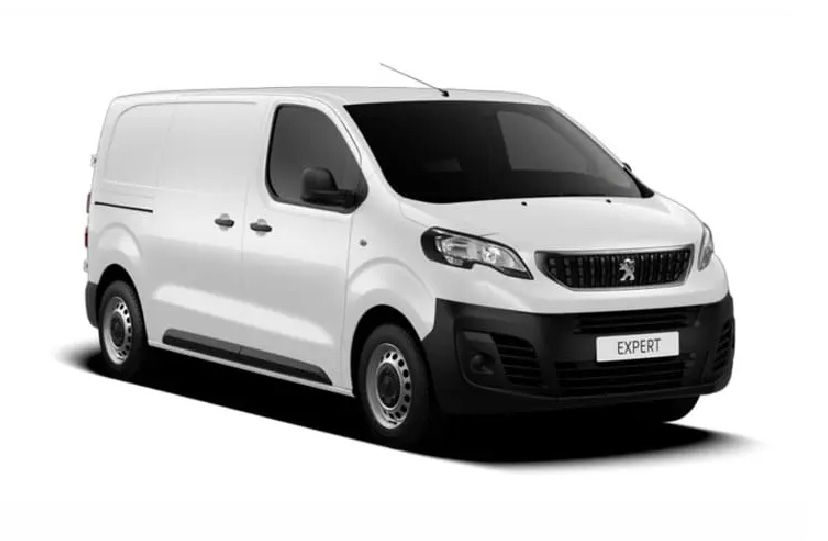
Eco-friendly driving for the working week — electric vans on short terms.
Continue reading →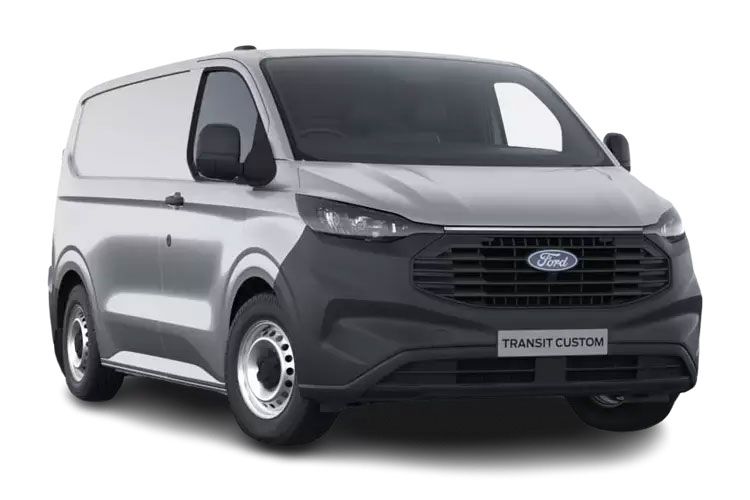
Our 12-month van lease deals hit the sweet spot between commitment and flexibility.
Continue reading →
Navigating the UK tax system can feel like driving through an unmarked maze. Here's the plain version.
Continue reading →Ready to sort a car, without the long commitment?
Browse our current short term lease and subscription deals and find something that fits your life right now. Have a look through the range or get in touch, and we'll bring the car to your door.
Fresh fleet drops, the best short term lease deals, and the odd useful guide straight to your inbox before they go public. No spam, leave whenever you like.

The flexible short term car & van lease service from ACL Automotive Contracts. FCA regulated, BVRLA member, 20+ years in vehicle leasing.
© Drive Subscribe is a trading style of ACL Automotive Contracts Ltd 2026
Drive Subscribe is a trading style of ACL Automotive Contracts Limited, who are registered in England | Registered number 06296885 | VAT number 338 855 754 | DPA number Z100466X
ACL Automotive Contracts Limited t/a Drive Subscribe are an owner and broker of hire who are authorised and regulated by the Financial Conduct Authority, registration number 730720. Member of the British Vehicle Rental & Leasing Association (BVRLA). Complaints we cannot resolve may be referred to the Financial Ombudsman Service. Prices shown are indicative and subject to status and availability.