Electric Van Subscription Deals
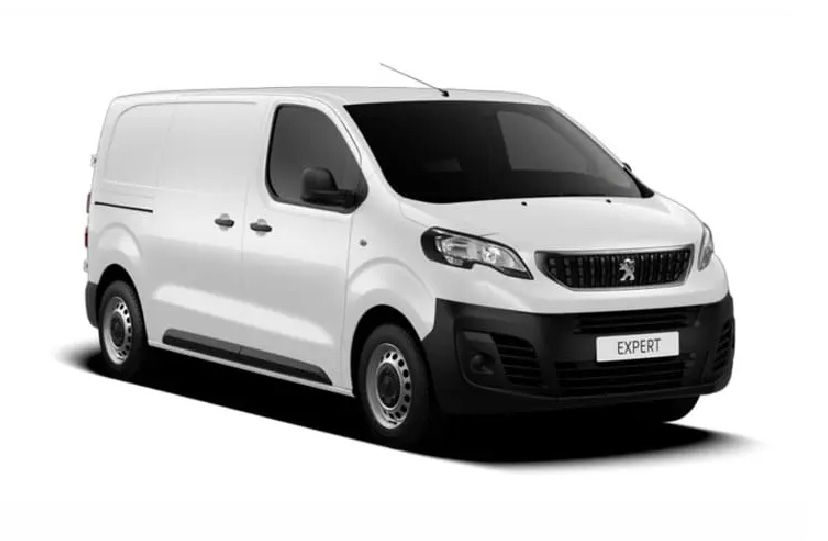
Discover the future of eco-friendly driving with our electric van subscription deals
Whether you’re a small business looking to reduce your carbon footprint or an operator seeking a cost-effective, hassle-free way to access the latest electric vehicle technology, our flexible electric van subscription plans are designed to meet your needs.
Browse our latest electric van subscription deals
When you choose Drive Subscribe, we make it easy. You browse to explore our available electric van subscriptions and find one that suits you. We offer different tiers based on vehicle type, required mileage and duration, with terms running from one month, three months.
You can complete an application online to confirm eligibility. Servicing, maintenance, road tax and breakdown cover are all inside the monthly figure. Once approved, your electric van is delivered direct to your door, freshly cleaned and ready to work.
Electric vans are cheaper to run than diesel or petrol vans
Charging costs less per mile than running a diesel or petrol works van. Maintenance is lower too — EVs have fewer moving parts, so there’s less to go wrong, and servicing costs are typically cheaper.
What electric vans pay in tax and city charges
This is the area that has changed most, and a lot of published advice is now out of date. Here is where things actually stand.
Vehicle Excise Duty. Electric vans are no longer exempt. The exemption ended on 1 April 2025, and zero-emission vans now pay the same standard annual rate as petrol and diesel light goods vehicles — £360 for 2026/27 on vans up to 3,500kg registered on or after 1 March 2001. On a Drive Subscribe subscription this isn’t a bill you deal with: road tax is included for the duration.
ULEZ. Electric vans remain fully compliant with London’s Ultra Low Emission Zone and pay nothing. This has not changed, and it’s still one of the strongest arguments for going electric if you work inside the zone — a non-compliant van costs £12.50 every single day.
Congestion Charge. The full exemption for electric vehicles ended on 25 December 2025. From 2 January 2026 the daily charge rose from £15 to £18, and electric vehicles moved onto a tiered discount. Electric vans registered for Auto Pay receive a 50% discount — around £9 a day, against £18 for a diesel equivalent. That discount is scheduled to reduce to 25% from 4 March 2030.
The headline: an electric van no longer drives into London for free, but it still costs roughly half what a diesel costs on the Congestion Charge, and nothing at all on ULEZ. For a van in the zone five days a week, that difference alone runs to several hundred pounds a year.
Electric vans are better for the environment
Electric vans don’t emit carbon dioxide or nitrogen oxides at the tailpipe, which matters most in the towns and cities where air quality is worst.
There is a caveat. Electric vans can be more expensive to buy than diesel equivalents, because the technology is relatively new and components are costly. That’s another reason to take a subscription — it lets you test an electric van over three or six months before deciding whether it’s right for your business, without ever carrying the depreciation risk.
The costs of charging an electric van
Running costs matter, and charging is cheaper per mile than diesel or petrol. But how much cheaper depends on where you charge.
Home and depot charging is usually cheaper than public chargers, particularly on an overnight EV tariff. As an illustration, a Ford E-Transit costs in the region of £18 for a full home charge, and around £17 to go from 20% to 80% on a public rapid charger. Public rapid charging is where the savings narrow sharply, so a van that can charge overnight at base will always look better than one relying on the motorway network.
Three practical points worth planning around:
- Charge where it’s cheapest. The gap between an overnight home tariff and a public rapid charger is large enough to change whether an electric van saves you money at all.
- Match range to your real routes, not your worst day. Most trade and delivery routes sit comfortably inside a modern electric van’s range.
- Payload matters. Battery weight eats into payload on some models. Check the figure against what you actually carry.
A short subscription is the cheapest way to find out how these play out on your routes.
What’s on the fleet
Electric vans are on the fleet now, and everything we supply comes from stock rather than factory order — which is why delivery runs to 10–14 days and why the electric van listing is an accurate picture of what you can actually have rather than a catalogue of what exists.
Delivery is free across mainland Britain, excluding the Highlands.
Electric van subscriptions: common questions
Not sure electric is right yet?
If you want flexibility without going electric straight away, our 12-month van lease deals cover the same ground on a conventional van, and our 3-month van leases suit shorter projects and seasonal peaks. If you’ve already decided on electric and want to compare, see our best electric van leasing deals. And if it’s the EV experience rather than the van you’re curious about, our BYD subscription deals are a low-commitment way in.
If you’d like to find out more about our deals, please contact us, or browse all electric van options.
Pricing and VAT
Prices are ex VAT. Van customers are overwhelmingly businesses who reclaim it.
The van position is the generous one. A car available for private use has recovery on the hire charges restricted to around half; a van on business use generally allows all of it back. On our agreements there’s nothing to break out. Maintenance is inside the monthly payment rather than invoiced alongside it, which keeps the paperwork to one line.
If you run cars as well, our guide to VAT on lease cars covers the difference.
General guidance only. Your own use decides the treatment, so confirm it with your accountant.
Your questions, answered
What mileage allowance do I get on an electric van lease?
Allowances start at 1,000 miles a month on terms under twelve months, and 833 a month — 10,000 a year — on twelve months and above. Higher allowances are available to choose from when you book. Excess is charged at 65p a mile plus VAT on 1 and 3 month agreements and 40p plus VAT on longer terms. Tell us the real number — understating it to reduce the monthly usually costs more at the end.
Is insurance included in an electric van lease?
No — insurance isn’t included in an electric van lease, and that’s deliberate. Commercial insurance varies enormously by trade, driver history and what you carry, so a bundled one-size policy costs most businesses more than arranging their own. You’ll need your own cover in place before delivery, and you cancel it when the van goes back.
How does an electric van’s payload compare with a diesel van?
Battery weight reduces payload on some models, so check the figure against what you actually carry rather than assuming it matches the diesel equivalent. We’ll match the van to your load requirements when we quote — it’s worth being precise, because overloading risks fines and downtime.
What range will I realistically get from an electric van?
Less than the official figure, particularly loaded and in cold weather. Plan against your worst realistic day rather than the brochure number. Most trade and delivery routes sit comfortably inside a modern electric van’s range; the exception is long motorway work.
Can I charge an electric van at home or do I need a depot?
Either works, and it’s the single biggest factor in whether an electric van saves you money. Overnight charging at home or at base is where the running-cost advantage lives. Relying on public rapid chargers between jobs narrows the gap considerably and costs you time as well.
Do electric vans pay the Congestion Charge?
Not in full. The full exemption ended in December 2025, but electric vans registered for TfL Auto Pay take a 50% discount — around £9 a day against £18 for a diesel. ULEZ remains free for electric vans.
Can I put an electric van lease through the business?
Yes, and the VAT treatment is better than on a car — vans generally allow full recovery on business use rather than the 50% restriction that applies to cars. Our guide to VAT on lease cars covers it.
How quickly can I get an electric van?
10–14 days from approval, because everything comes from stock. It arrives cleaned and ready to work, delivered free across mainland Britain, excluding the Highlands.
And if you're wondering who's behind all this: Drive Subscribe is an ACL Automotive brand — the team that runs short-term leasing for some of the biggest names in the business. The car's short-term. We're not.
What an electric van really costs to run
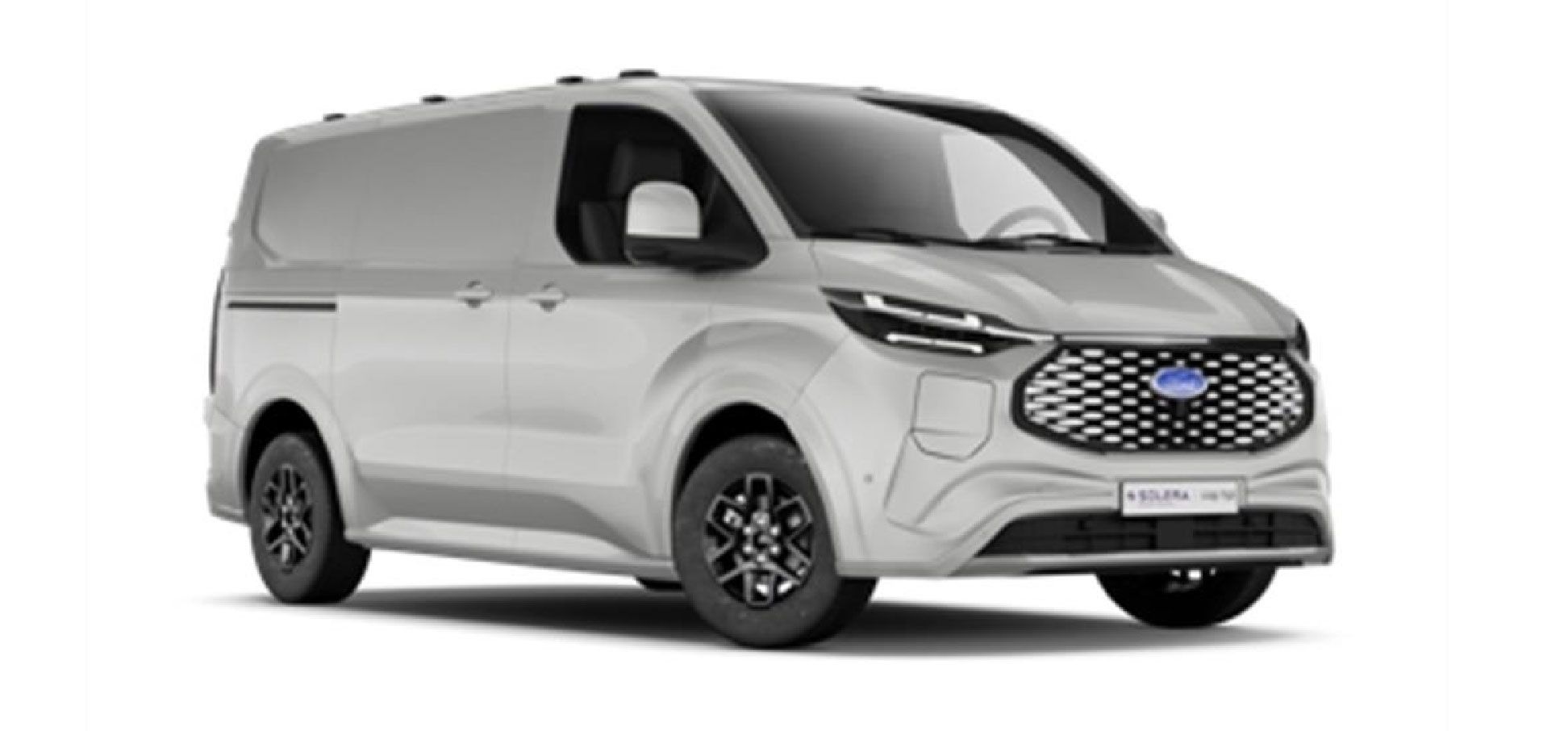
The best electric van lease deals, subscriptions and short-term options in one place.
Continue reading →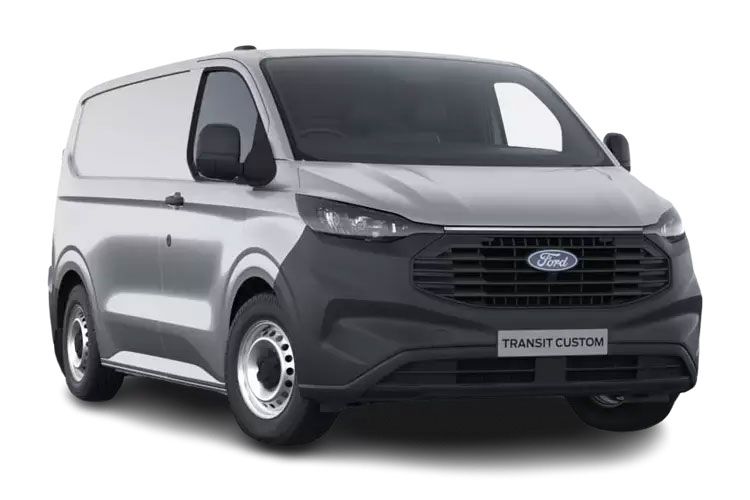
Our 12-month van lease deals hit the sweet spot between commitment and flexibility.
Continue reading →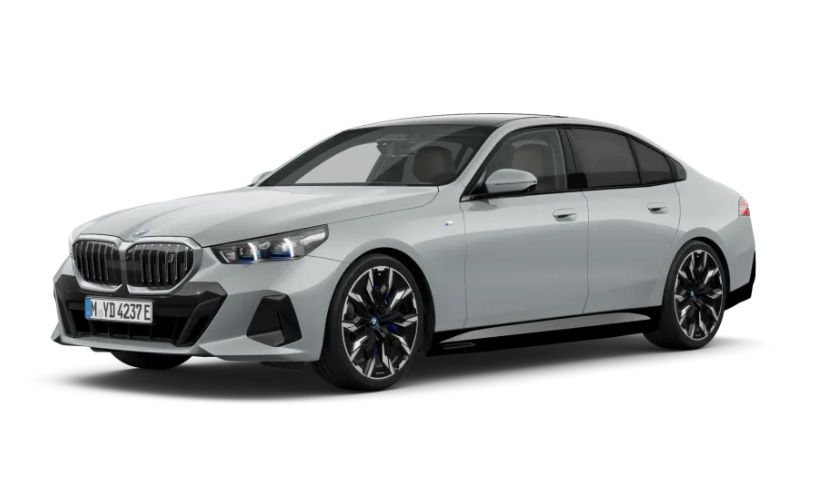
Reasons to drive an EV on a subscription rather than buying into one for years.
Continue reading →Ready to sort a car, without the long commitment?
Browse our current short term lease and subscription deals and find something that fits your life right now. Have a look through the range or get in touch, and we'll bring the car to your door.
Fresh fleet drops, the best short term lease deals, and the odd useful guide straight to your inbox before they go public. No spam, leave whenever you like.

The flexible short term car & van lease service from ACL Automotive Contracts. FCA regulated, BVRLA member, 20+ years in vehicle leasing.
© Drive Subscribe is a trading style of ACL Automotive Contracts Ltd 2026
Drive Subscribe is a trading style of ACL Automotive Contracts Limited, who are registered in England | Registered number 06296885 | VAT number 338 855 754 | DPA number Z100466X
ACL Automotive Contracts Limited t/a Drive Subscribe are an owner and broker of hire who are authorised and regulated by the Financial Conduct Authority, registration number 730720. Member of the British Vehicle Rental & Leasing Association (BVRLA). Complaints we cannot resolve may be referred to the Financial Ombudsman Service. Prices shown are indicative and subject to status and availability.