The Benefits of an Electric Car Subscription
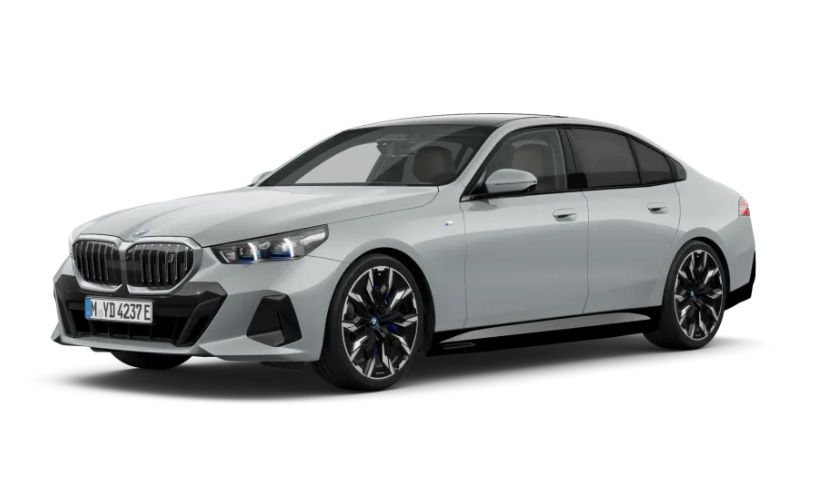
The benefits of an electric car subscription
Switching to electric is a bigger decision than switching cars. Range, charging, running costs, resale — none of it works the way it did with petrol, and most of it you can’t properly judge until you’ve lived with one.
A subscription lets you find out without committing. Take an EV for a few months, run it on your real routes, and either keep going or hand it back. Here’s what that gets you, and where it doesn’t stack up.
Why EV subscriptions have grown
Electric car subscriptions have grown quickly, for a straightforward reason: they remove the two things that make buying an EV feel risky.
The first is depreciation. Electric resale values have been volatile as battery technology, charging speeds and model ranges have moved. Buy an EV and you’re taking a position on what it’ll be worth in three years, which is a bet even the industry struggles to price. Subscribe and you simply hand it back.
The second is not knowing whether it suits you. Whether an EV works depends less on the car than on your circumstances: where you park, whether you can charge at home, how far you actually drive in a week. A few months tells you that. A spreadsheet doesn’t.
What’s included, and what isn’t
Worth being precise, because this is where subscription offers vary and where comparisons go wrong.
Included in your monthly payment: the car, servicing and maintenance, road tax, MOT and breakdown cover, plus delivery and collection.
Not included: insurance and charging. You arrange your own cover, and you pay for the electricity you use, whether that’s at home or on the public network.
Upfront, you pay a refundable damage deposit alongside your first month, returned at the end of the term.
That’s the whole picture. If another provider quotes a lower monthly, check whether insurance is genuinely bundled or simply absent from both quotes — a “cheaper” figure that excludes the same things isn’t cheaper.
Terms, and picking the right one
Drive Subscribe runs terms from one month, three, six, nine or twelve months.
For testing whether electric works for you, three months is the sensible minimum — long enough to cover a range of weather, since cold weather affects range noticeably, and long enough to establish a charging routine. Six or nine months suits anyone who’s already fairly sure and wants a lower monthly rate.
Running costs
Electric cars are cheaper per mile than petrol or diesel, but the size of that gap depends almost entirely on where you charge.
Charging at home overnight on an EV tariff is where the savings are. Relying on public rapid chargers narrows the gap considerably — sometimes to the point where it barely exists. So before you switch, work out honestly where you’d charge on a normal week, not an ideal one.
Maintenance is more reliably cheaper. Fewer moving parts, no oil changes, less brake wear thanks to regenerative braking. On a subscription that’s academic, since servicing is included either way, but it’s part of why EVs are cheaper to run generally.
Emissions and air quality
Battery electric vehicles produce no tailpipe emissions, which matters most in towns and cities where air quality is worst — and increasingly it matters financially too. EVs pay nothing in London’s ULEZ and in city Clean Air Zones, and take the discounted rate on the London Congestion Charge, where petrol and diesel cars pay in full.
Across a full life cycle, including manufacturing, European Environment Agency analysis has found electric cars produce fewer greenhouse gas emissions than equivalent petrol or diesel vehicles. Manufacturing an EV is more carbon-intensive up front; the difference is recovered over the vehicle’s life.
Where a subscription doesn’t win
Being straight about this makes the rest of it worth believing.
If you drive year-round, keep cars for many years and can charge at home, buying is cheaper over the long run. Subscriptions cost more per month than finance on an equivalent car, because you’re paying for flexibility and for someone else to carry the depreciation.
The case for subscribing is strongest when you’re uncertain, when your circumstances might change, or when you specifically want to test electric before committing serious money to it. If none of those apply, our guide to leasing versus buying a car sets out the comparison properly.
Where to start
If you’re ready to try one, the practical question is which.
Browse the full electric car range for what’s currently available. If you’d rather start from a brand, Polestar covers the 2, 3 and 4 across fastback, SUV and coupé SUV, the Volkswagen ID.3 is the easiest step across from a Golf, and BYD is worth a look if value is the priority.
For business use, the same logic applies to commercial vehicles — see electric van subscriptions and the best electric van leasing deals. Vans are where Clean Air Zone charges bite hardest, so the savings are often larger than on cars.
In short
An electric car subscription is the low-risk way into electric driving. You get a new EV on a fixed monthly payment with servicing and road tax included, you’re not exposed to depreciation, and if it turns out not to suit your routes or your parking, you hand it back rather than trying to sell it.
It isn’t the cheapest way to run a car over ten years. It is the cheapest way to find out whether an electric car fits your life before you spend thirty thousand pounds discovering it doesn’t.
Browse current electric deals or get in touch and we’ll talk through what suits your mileage and charging setup.
Pricing and VAT
Prices quoted ex VAT.
Two things worth understanding before you commit. Where a leased car is available for private use, VAT recovery on the hire charges is generally restricted to 50%. A subscription bills differently. Everything sits in one monthly amount, maintenance included, so there’s no separate element to treat on its own. Vans are treated differently again and generally allow full recovery on business use.
See VAT on lease cars for the detail, including where vans differ.
Guidance only — your accountant should confirm both the VAT and the BiK position.
And if you're wondering who's behind all this: Drive Subscribe is an ACL Automotive brand — the team that runs short-term leasing for some of the biggest names in the business. The car's short-term. We're not.
Electric on a short term — does the maths work?
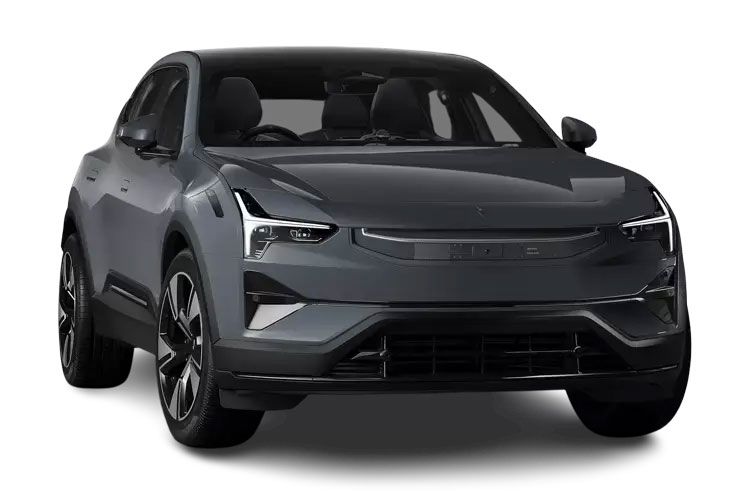
The full Polestar range on short term subscription.
Continue reading →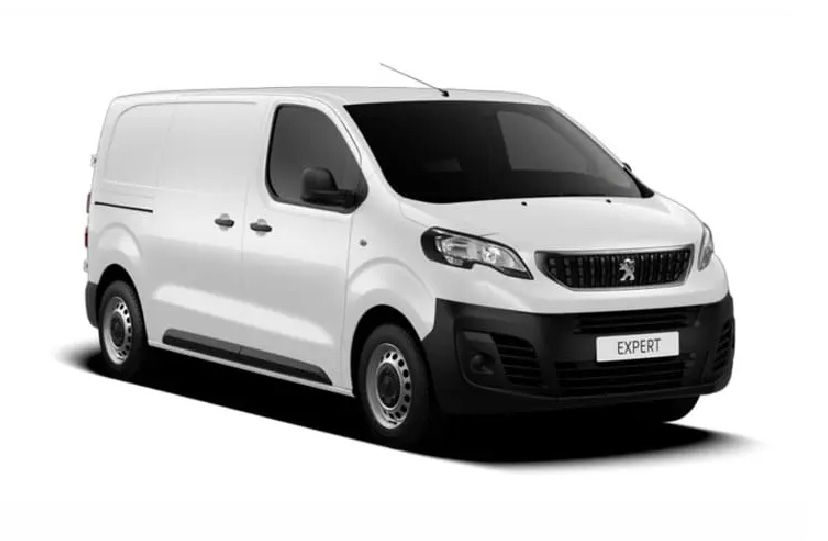
Eco-friendly driving for the working week — electric vans on short terms.
Continue reading →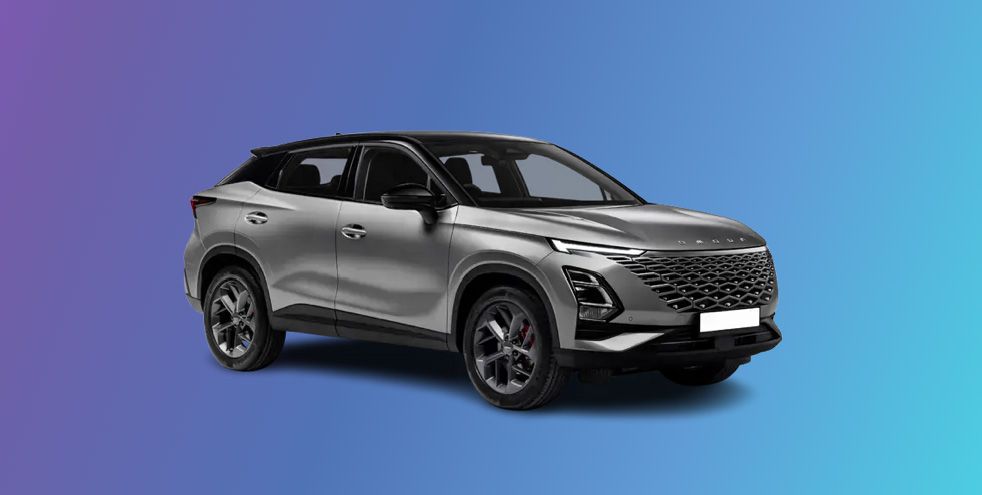
Nearly half of UK consumers would prefer a short term lease over a traditional purchase. Here's the case both ways.
Continue reading →Ready to sort a car, without the long commitment?
Browse our current short term lease and subscription deals and find something that fits your life right now. Have a look through the range or get in touch, and we'll bring the car to your door.
Fresh fleet drops, the best short term lease deals, and the odd useful guide straight to your inbox before they go public. No spam, leave whenever you like.

The flexible short term car & van lease service from ACL Automotive Contracts. FCA regulated, BVRLA member, 20+ years in vehicle leasing.
© Drive Subscribe is a trading style of ACL Automotive Contracts Ltd 2026
Drive Subscribe is a trading style of ACL Automotive Contracts Limited, who are registered in England | Registered number 06296885 | VAT number 338 855 754 | DPA number Z100466X
ACL Automotive Contracts Limited t/a Drive Subscribe are an owner and broker of hire who are authorised and regulated by the Financial Conduct Authority, registration number 730720. Member of the British Vehicle Rental & Leasing Association (BVRLA). Complaints we cannot resolve may be referred to the Financial Ombudsman Service. Prices shown are indicative and subject to status and availability.