Car Subscription vs Lease: The Differences

Find out the differences between a car lease and a car subscription
Compared to the traditional leasing model, car subscriptions are a relatively new concept, so it’s not obvious to everyone what the differences are. This guide explains the car subscription vs lease question as simply as possible.
If you don’t want to read the whole article and just want a top-level understanding, here are the key takeaways.
### Differences between a car lease and subscription
- Car leases typically run longer, with the average lease period being one to three years. A car subscription can start from as little as one month.
- The cost of a one-month subscription may be higher than one month of a traditional lease, where costs are spread over a longer period.
- With a subscription you can change vehicles regularly. With a lease you’re tied to one car for longer.
- Subscriptions last a shorter period, making them ideal for people who only need a car for a limited time.
Car subscription vs lease vs rental: the short answer
Most comparisons stop at two options. In practice people are choosing between three, so here are all of them side by side.
The one-line version: rental wins under a fortnight, a subscription wins from a month to about a year, and a lease wins once you’re certain you want the same car for three years or more.
Car subscription vs lease differences
Both offer ways to drive without the large upfront expense of a purchase. Each has benefits and drawbacks, so it’s worth understanding which suits you.
For flexibility and convenience, car subscriptions often stand out. We offer subscription terms as short as one month or three months. A car lease, by comparison, appeals to drivers seeking lower monthly payments and longer-term commitments.
With a subscription you can also switch vehicles more frequently. A lease involves longer fixed terms and annual mileage restrictions, which suits drivers who want a more stable arrangement.
What you decide in the whole car lease vs buying debate will depend on your lifestyle and preferences.
Understanding car subscriptions
Car subscription services have emerged as an alternative to traditional leasing, offering flexibility and convenience. They combine some advantages of ownership with the simplicity of a rental agreement.
Subscribing gives you access to a vehicle for a monthly fee, with servicing, breakdown cover and roadside assistance included.
One thing to check when you compare providers: insurance. Some subscription companies bundle insurance into the monthly figure; we don’t, and that’s deliberate. A one-size policy priced for the average customer costs most people more than arranging their own, and it ties your cover to the car rather than to you. It does mean our headline figure isn’t directly comparable with a provider who includes it, so when you’re comparing quotes, add your own insurance premium to ours before deciding which is cheaper. Our FAQs set out exactly what you’ll need to arrange. You can choose from a wide range of vehicles with Drive Subscribe and change cars periodically, with minimal long-term commitment.
Subscriptions usually run for a one, three. Beyond that a conventional lease usually makes better financial sense.
Pricing and VAT
We quote ex VAT throughout, because most people reading this reclaim it.
VAT treats the two arrangements the same way, which surprises people. On either, a car available for private use restricts recovery on the hire charges to about half. Vans sit outside the car rules and generally allow the full amount back. This is one of the real differences between the two. A long lease tends to break maintenance out; a subscription rolls it into the single figure you pay, and ours is no exception.
The detail is in our guide to VAT on lease cars.
This is general guidance rather than tax advice — check your own position before signing.
And if you're wondering who's behind all this: Drive Subscribe is an ACL Automotive brand — the team that runs short-term leasing for some of the biggest names in the business. The car's short-term. We're not.
Subscription, lease or buy? The honest arithmetic
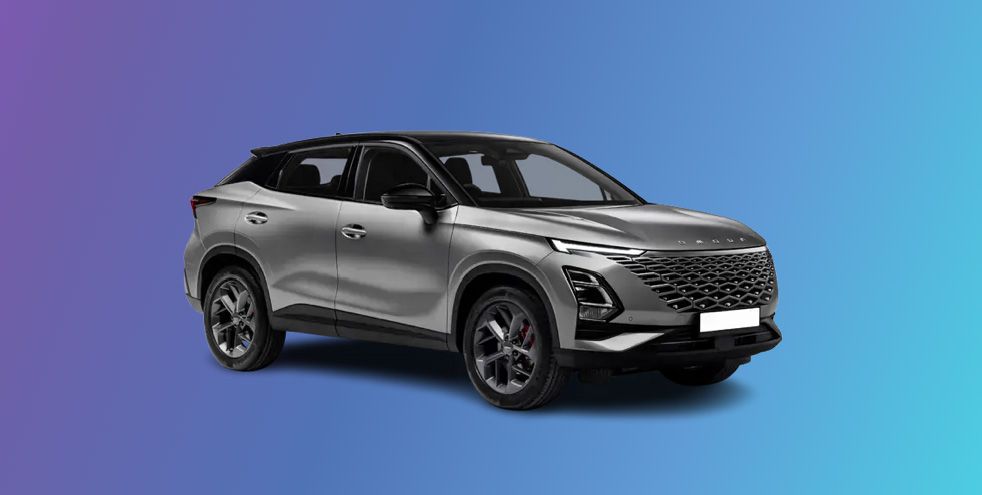
Nearly half of UK consumers would prefer a short term lease over a traditional purchase. Here's the case both ways.
Continue reading →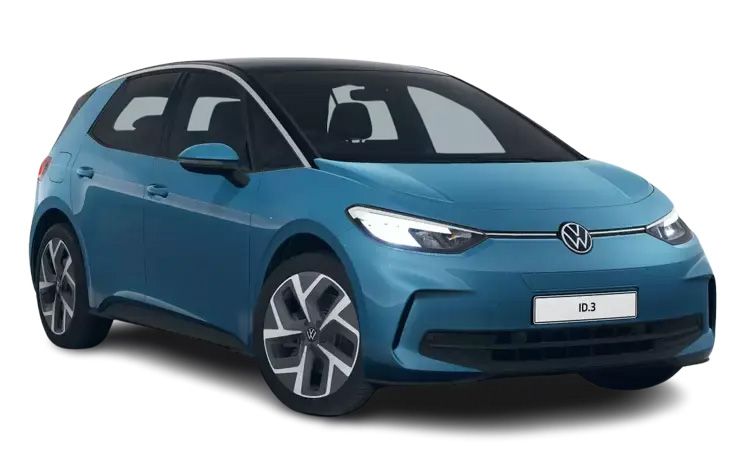
Navigating the UK tax system can feel like driving through an unmarked maze. Here's the plain version.
Continue reading →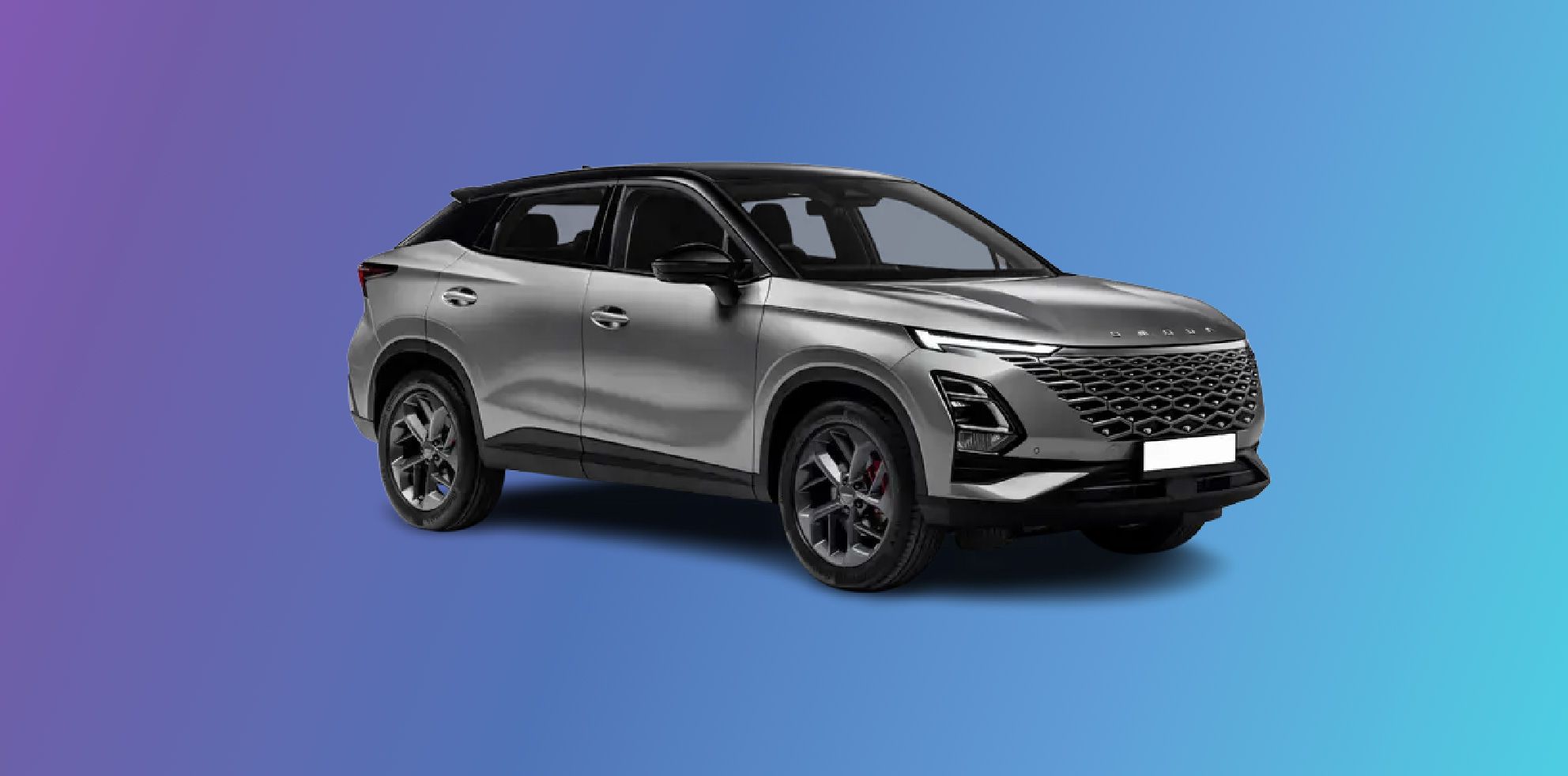
Wondering if you'll need to pay for an MOT on your lease car? The short answer is usually no.
Continue reading →Ready to sort a car, without the long commitment?
Browse our current short term lease and subscription deals and find something that fits your life right now. Have a look through the range or get in touch, and we'll bring the car to your door.
Fresh fleet drops, the best short term lease deals, and the odd useful guide straight to your inbox before they go public. No spam, leave whenever you like.

The flexible short term car & van lease service from ACL Automotive Contracts. FCA regulated, BVRLA member, 20+ years in vehicle leasing.
© Drive Subscribe is a trading style of ACL Automotive Contracts Ltd 2026
Drive Subscribe is a trading style of ACL Automotive Contracts Limited, who are registered in England | Registered number 06296885 | VAT number 338 855 754 | DPA number Z100466X
ACL Automotive Contracts Limited t/a Drive Subscribe are an owner and broker of hire who are authorised and regulated by the Financial Conduct Authority, registration number 730720. Member of the British Vehicle Rental & Leasing Association (BVRLA). Complaints we cannot resolve may be referred to the Financial Ombudsman Service. Prices shown are indicative and subject to status and availability.