Polestar 4 Subscription Deals
The Polestar 4 on a short term subscription — from one month, with road tax and servicing included.
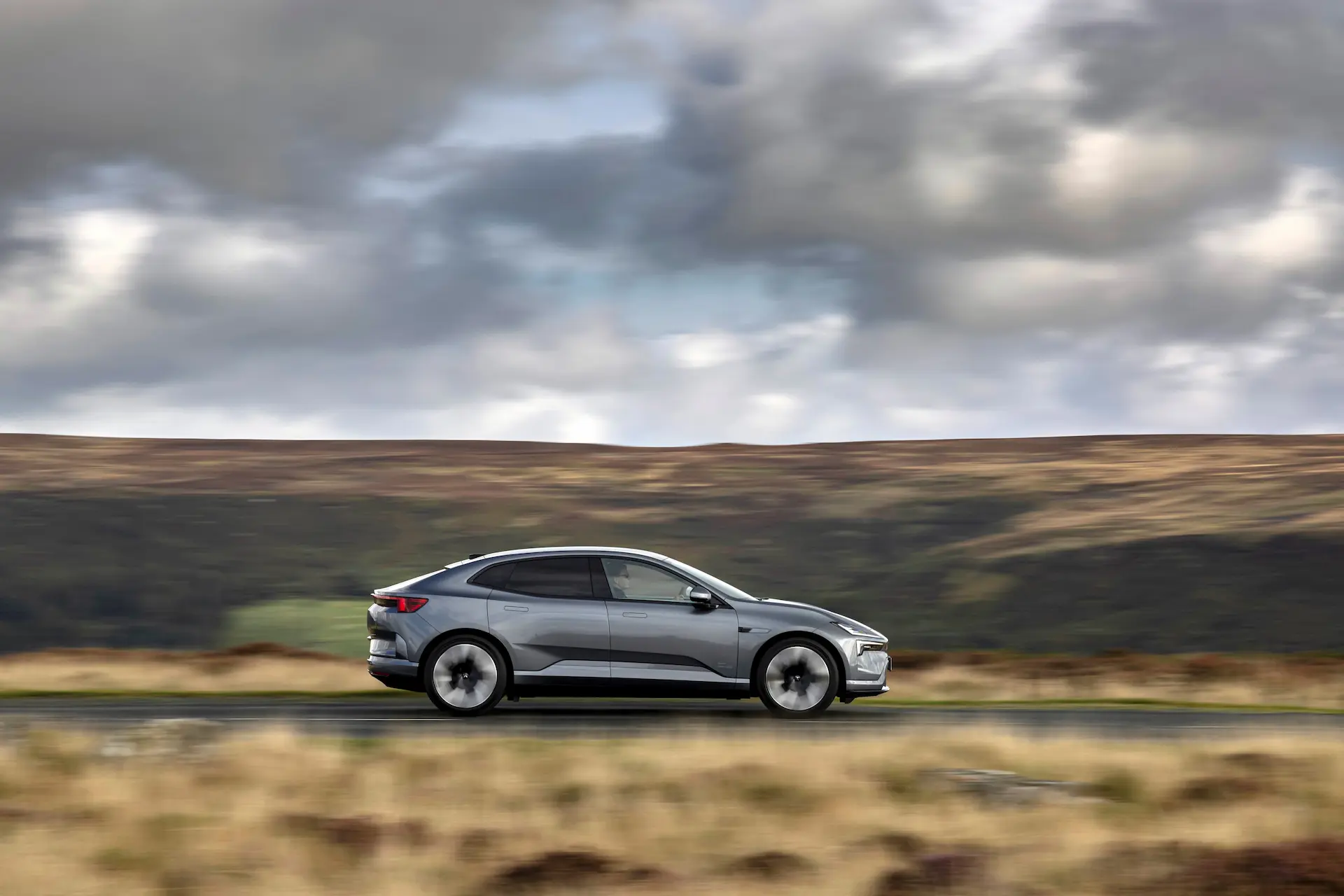
Polestar 4 subscription deals from one month
The Polestar 4 is the one people have questions about. It sits between the 2 and the 3 on size, looks like neither, and it has no rear window — which is either the most sensible thing anyone has done to a car in years or a step too far, depending on who you ask.
That is precisely why taking one for a few months makes more sense than buying one. Terms run from one month, three, six or nine months, up to twelve or eighteen.
The rear window question
Polestar removed it. In its place is a roof-mounted camera feeding a high-definition screen where the rear-view mirror would normally sit, and the mirror flips between that feed and a conventional glass mirror showing the cabin.
The reasoning is sound. A camera mounted at roof level sees over the boot, the headrests and whatever your passengers have piled on the back seat, so the view is wider and less obstructed than glass would give you. It performs better in poor light and in rain, where a rear window is at its worst. And removing the window let Polestar push the rear roofline back over the second row, which is why rear headroom is generous for a car this shape.
The honest part is that it takes adjusting to. Your eyes have to focus on a screen rather than through glass, and reversing into a tight space uses a different set of instincts for the first week or so. Most people stop noticing. Some never quite settle with it.
There is no way to know which you are from a forecourt test drive. Three months of parking it, loading it and driving it at night will tell you definitively — and if the answer is no, you hand it back rather than take a loss on a car you’ve just bought.
Where it sits in the range
Not an obvious gap-filler, which is part of the appeal.
It’s longer than the Polestar 2 and lower than the Polestar 3, with the ride height of an SUV and the roofline of a coupé. Inside it’s closer to the 3 in feel and materials than to the 2. Boot space is usable rather than cavernous; rear passenger space is the surprise, because of the roofline change the camera made possible.
If you want the plainest version: the Polestar 2 is the one to park in town, the Polestar 3 is the one for family and distance, and the 4 is for anyone who wants most of the 3’s presence in something that looks considerably sleeker. Our Polestar subscription hub compares all three side by side, and the full Polestar range shows what’s currently available.
Living with it
Google is built into the car rather than mirrored from a phone, so Maps and Assistant work natively and stay updated without you doing anything. The interior follows the Scandinavian line the brand has held throughout — restrained, well-made, short on the gloss-black surfaces that show every fingerprint.
Single-motor versions prioritise range; dual-motor versions trade some of it for considerably more performance. Which you’d want depends entirely on whether your week is motorway miles or short local runs. Because the models on offer change regularly, the specifications for what’s actually available are listed on the stock page rather than here, where they would date within a model year.
Every car is supplied from stock, which is why delivery runs to 10–14 days rather than same-day. It also means the fleet listing is an accurate picture of what you can have, not a catalogue of what exists.
Who takes one
People who want to try the camera system before buying into it. The single most common reason, and the most sensible.
Drivers moving up from a Polestar 2. More car, more presence, without going the whole way to an SUV.
Businesses running a director’s or senior car. It reads as considered rather than flashy, which is usually the right note in front of a client — and on a short term, the residual risk on a new model in a fast-moving segment isn’t yours.
Anyone testing whether electric works for them at this level. A few months on your actual routes settles it. Our guide to the benefits of an electric car subscription covers where the savings genuinely come from, and where they don’t.
Why subscribe rather than buy
Electric is the segment where technology dates fastest, and the Polestar 4 is a new model in it. Battery chemistry, charging speeds and software all move quickly, and buying means carrying that depreciation yourself on a car with a short resale history.
On a subscription you don’t. One monthly payment covers the car, servicing, maintenance, road tax, MOT and breakdown cover. You arrange insurance and charging. There’s a refundable damage deposit alongside your first month, returned at the end.Mileage starts at 1,000 miles a month on terms under a year and 833 a month from twelve months up, with higher bands available. Exceed it and excess is charged at 65p a mile plus VAT on 1 and 3 month agreements, 40p plus VAT on longer terms.
Nothing to sell, nothing to negotiate at the end, and no exposure to what a first-generation model is worth in three years.
Pricing and VAT
Prices are quoted excluding VAT, since that’s the figure a VAT-registered business plans around.
Where a car is available for private use, VAT recovery on the hire charges is normally restricted to half rather than the full amount. Not something you’ll see on our invoices — we quote a single monthly figure with maintenance already in it, closer to how a rental is billed. Vans sit outside the car rules entirely and are treated more generously. Our guide to VAT on lease cars works through it.
We’re not accountants, so always check with yours. This explains how the rules generally work, but VAT treatment depends on your own circumstances.
Common questions
Take one for a few months
See what’s currently on the fleet, or get in touch and tell us the mileage and the timing — we’ll match a car and a term to it.
Your questions, answered
Is the Polestar 4 rear camera hard to get used to?
For most people, a week or so. It gives a wider and clearer view than a rear window, particularly at night and in rain, but it is a screen rather than glass and your eyes have to adjust. Taking one for three months is the only honest way to find out where you land.
What happens if the Polestar 4 camera fails?
The mirror switches to conventional glass mode, which shows the cabin rather than the road behind. You’d still have the door mirrors and the parking sensors. Any fault is covered — servicing and maintenance are included in the monthly price.
Can I lease a Polestar 4 short term to try it?
Yes, that’s rather the point. One month is enough to get past the novelty; three. Hand it back at the end with nothing further to pay.
Which Polestar 4 version should I lease?
Depends on your mileage. If you’re doing long motorway runs, prioritise range; if you’re mostly local and want the performance, the dual-motor versions make more sense. Tell us the routes and we’ll point you at the right one from what’s in stock.
Can we run a Polestar 4 through the business?
Yes — sole traders, partnerships, limited companies and PLCs. Quotes are ex VAT, underwriting is on the business where applicable, and vehicles don’t have to run to matching terms.
How quickly can I get a Polestar 4?
Everything comes from stock, so 10–14 days from approval. It arrives valeted at your address, and one call collects it at the end.
And if you're wondering who's behind all this: Drive Subscribe is an ACL Automotive brand — the team that runs short-term leasing for some of the biggest names in the business. The car's short-term. We're not.
The 4 against the rest of the range
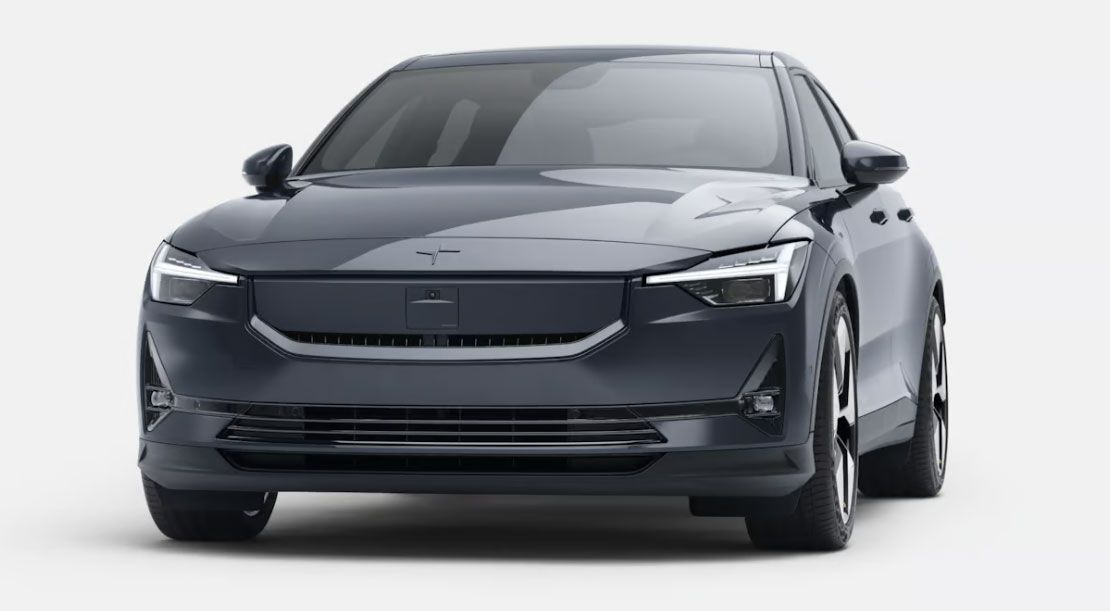
We stock the Polestar 2 range of electric cars.
Continue reading →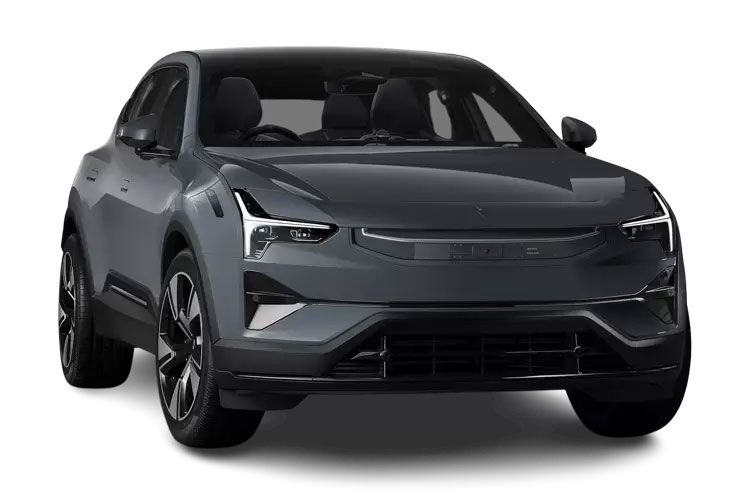
Why a Polestar 3 subscription might suit you better than buying one.
Continue reading →
Reasons to drive an EV on a subscription rather than buying into one for years.
Continue reading →Ready to sort a car, without the long commitment?
Browse our current short term lease and subscription deals and find something that fits your life right now. Have a look through the range or get in touch, and we'll bring the car to your door.
Fresh fleet drops, the best short term lease deals, and the odd useful guide straight to your inbox before they go public. No spam, leave whenever you like.

The flexible short term car & van lease service from ACL Automotive Contracts. FCA regulated, BVRLA member, 20+ years in vehicle leasing.
© Drive Subscribe is a trading style of ACL Automotive Contracts Ltd 2026
Drive Subscribe is a trading style of ACL Automotive Contracts Limited, who are registered in England | Registered number 06296885 | VAT number 338 855 754 | DPA number Z100466X
ACL Automotive Contracts Limited t/a Drive Subscribe are an owner and broker of hire who are authorised and regulated by the Financial Conduct Authority, registration number 730720. Member of the British Vehicle Rental & Leasing Association (BVRLA). Complaints we cannot resolve may be referred to the Financial Ombudsman Service. Prices shown are indicative and subject to status and availability.